
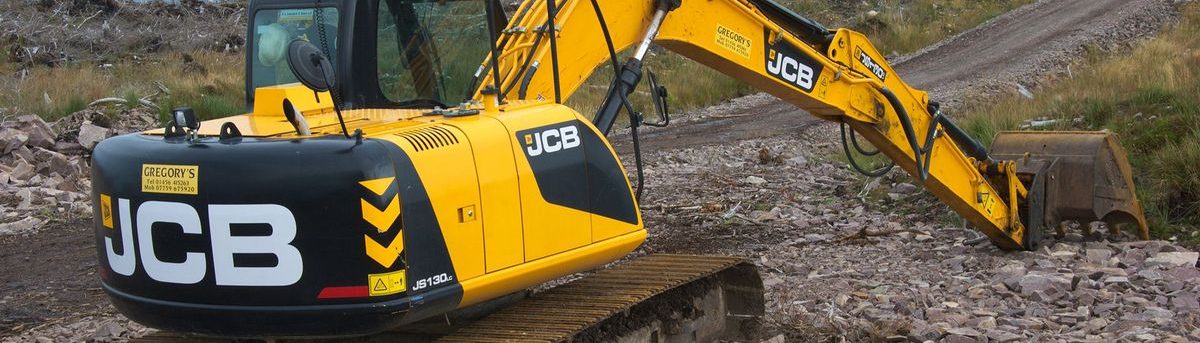
When it comes to plant machinery, mini diggers are an invaluable asset for a multitude of construction tasks. Whether you are tackling a garden landscaping project, digging a trench for utilities, or working in confined spaces, selecting the right mini digger can significantly impact efficiency and safety on the job site. With a myriad of options available on the market, from brand-new models to used mini diggers, the decision can indeed be overwhelming.
In this guide, we will explore key considerations to help you choose the perfect mini digger for your specific project needs. Understanding your requirements in terms of size, power, and capability will enable you to make an informed decision, ensuring you maximise productivity while avoiding unnecessary expenses. Let’s delve into the primary factors to consider.
When it comes to small-scale construction projects, mini diggers are the perfect solution for efficient digging and excavation. At https://www.sjhallplant.com, we offer a range of top-quality mini diggers for sale or rent, ensuring you have the right equipment for the job. Experience the ease of maneuvering in tight spaces with our reliable machines today!
When considering versatile equipment for your construction projects, mini diggers are an essential choice. Compact yet powerful, they can navigate tight spaces with ease. Explore our collection of mini diggers to find the perfect fit for your needs.
Assess the Project Scope
The first step in choosing the right mini digger is to assess the scope of your project. This includes identifying the type of work you need to accomplish, the ground conditions, and the environment in which you’ll be operating. Mini diggers are typically categorised by their weight class, ranging from 0.8 to 7 tonnes.
For small landscape jobs where compact size is crucial, lighter models (under 1.5 tonnes) provide the manoeuvrability needed for tight spots. Conversely, if you’re undertaking larger excavations or demolition tasks, opting for a more robust option in the 3-5 tonne range may be beneficial. Understanding the reach and digging depth required for your specific tasks will also inform your mini digger choice, thus optimising performance and efficiency.
Know Your Site Conditions
Site conditions play a pivotal role in determining the appropriate mini digger for your project. Evaluate the type of soil you’ll be working with—different mini diggers are designed to handle various ground conditions, such as clay, rock, or sandy soil. Additionally, consider the topography of the site, as uneven or steep terrains may require a mini digger with enhanced stability and traction features.
In narrow or confined spaces, zero-turn models may be ideal, allowing for excellent manoeuvrability without sacrificing digging capability. Should your project involve soft or muddy ground, ensuring the mini digger has suitable tracks or tyres that will provide better traction can make all the difference.
Evaluate Power and Performance
Power and performance are crucial elements to consider when selecting a mini digger. Most mini diggers are equipped with a diesel engine, providing a good balance of power and fuel efficiency. When assessing the engine specifications, pay attention to the rated horsepower and hydraulic power, as these directly influence the machine’s performance in various tasks.
For heavy-duty applications—such as digging deep trenches or lifting heavy loads—selecting a mini digger with higher hydraulic flow rates will ensure it can perform efficiently without being overworked. If you need to carry out multiple tasks with one machine, consider a model with additional attachments, such as augers, buckets of varying sizes, or breakers, which can enhance versatility.
New vs Used Mini Diggers
When considering mini diggers for sale, you’ll often have to choose between new and used machinery. New mini diggers come with the latest technology, warranties, and are less likely to have hidden issues. However, they typically come with a higher price tag. On the other hand, used mini diggers can represent an excellent cost-saving option.
When considering a used mini digger, it’s vital to conduct thorough checks to ensure you’re making a reliable purchase. Always review the machine’s service history, inspect for wear and tear, and if possible, request a demonstration to confirm that the digger operates correctly. It’s equally important to buy from a reputable dealer who provides a clear understanding of the mini digger’s condition and any maintenance it may need.
Consider the Additional Features
Finally, consider any additional features that may be pertinent to your project requirements. Modern mini diggers often come equipped with advanced technology, such as a proportional control system, which allows for smoother operation, and features like automatic engine idle, which can help save fuel. If your work involves precision, looking for models that include grade control systems can ensure a level and professional finish.
Furthermore, ensure that safety features, including cabin protection, visibility enhancers, and emergency stop buttons, are in place. Opting for a mini digger that meets the latest safety regulations will not only protect your team but can also help minimise liability risks on-site.
By taking these factors into account, you can confidently select the right mini digger that meets the demands of your project, ensuring a smoother operation and more successful outcomes.