
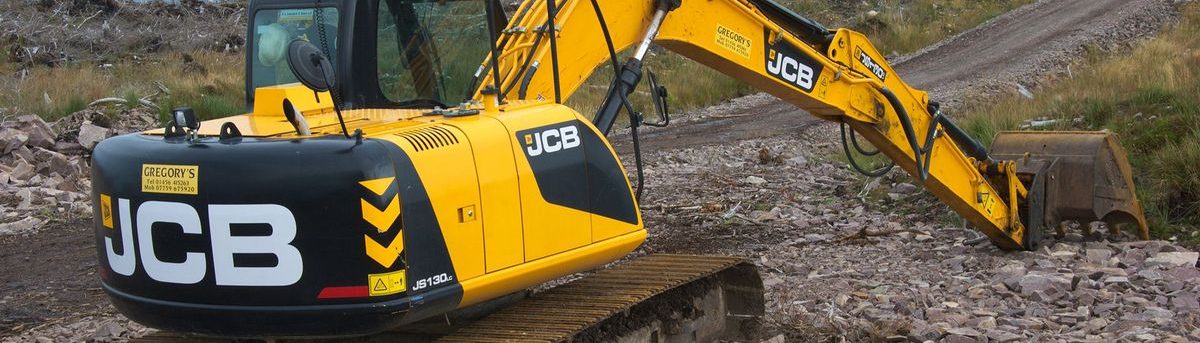
When it comes to construction projects, excavators are indispensable pieces of plant machinery that can significantly enhance efficiency and productivity on site. Whether you are looking to buy or rent, selecting the right excavator is crucial to the success of your endeavour. This guide aims to provide an insightful overview of the factors to consider when choosing among the myriad of excavators for sale, including both new and used options.
As the demand for compact and versatile machinery increases, many contractors are exploring the benefits of investing in second hand excavators. A well-chosen used mini excavator can provide the required power and performance without the hefty price tag of a brand-new model. But how do you know which model best suits your specific needs? Below we shall break down the essential elements of making a well-informed decision.
Discover our extensive inventory of high-quality excavators for sale, perfect for your construction projects. Whether you need reliable machinery for excavation, landscaping, or heavy lifting, we’ve got the right equipment to enhance your efficiency. Explore our selection today and find the ideal excavator that meets your project’s requirements and budget.
Understanding Your Project Requirements
Before diving into the market, it’s important to consider the type and scale of the tasks you will be undertaking. Will you be working in tight spaces, such as residential areas or urban sites? If so, a mini excavator might be the ideal choice, offering manoeuvrability and flexibility. Conversely, if your projects involve larger-scale earthmoving tasks or heavy demolition work, a full-sized excavator could be the more effective option.
Take into account the maximum depth of excavation required, as different models have varying digging depths and capacities. Additionally, evaluate the terrain where the excavator will be used. Steep or uneven ground may necessitate a model with better stability and traction capabilities. By clearly defining your project requirements, you will be better equipped to select an excavator that contributes positively to your operational efficiency.
New vs Used: Weighing the Pros and Cons
When it comes to acquiring excavators for sale, one of the initial decisions revolves around whether to invest in a brand-new model or opt for a used mini excavator. Each option comes with its advantages and disadvantages, and understanding these can help shape your choice.
New Excavators
Investing in a new excavator often means acquiring a machine that is in pristine condition, equipped with the latest technology and features that enhance performance and fuel efficiency. New models typically come with comprehensive warranties and support from the manufacturer, providing peace of mind regarding reliability and service.
However, the downside to purchasing a new excavator is the cost. The initial expenditure can be significantly higher than that of a used option, which may be a considerable factor for smaller contractors or companies with budget constraints.
Used Excavators
On the other hand, opting for second-hand excavators often allows for substantial savings, enabling you to allocate funds to other areas of your project. A used mini excavator can still offer impressive capabilities and might be certified or inspected to ensure reliability. It’s vital, however, to conduct thorough research on the used machinery market, paying careful attention to maintenance history, hours of operation, and conditions of the equipment before making a purchase.
While used excavators might present a lower upfront cost, potential drawbacks include a shorter lifespan compared to new models and possibly less technological sophistication. Nevertheless, with diligent selection and inspection, a used excavator can offer excellent value for your investment.
Key Features to Look For
When assessing excavators for sale, it is essential to consider specific features that will cater to your operational demands. Here are some key factors to examine:
Operating Weight: The operating weight of an excavator can affect its performance and versatility. Lighter models tend to be more mobile and suitable for restricted areas, while heavier models can handle larger loads but may struggle on soft ground.
Digging Depth and Reach: Evaluate the maximum digging depth and boom reach of the excavator. Choosing a model that adequately meets your requirements will directly impact your efficiency on site.
Attachments and Accessories: Many excavators can be adapted with various attachments, such as buckets, breakers, or grapples. The versatility of your machine may be just as important as the model itself, as this will allow it to perform multiple tasks, improving your overall productivity.
Fuel Efficiency: Consider the fuel consumption of the excavator, as this can have significant implications for your operating costs over time. Modern models often feature advanced engines designed for improved fuel efficiency, which can translate into savings.
Maintenance and Service History: Especially with used machinery, a clear maintenance record is essential. Regular servicing enhances reliability, extends the life of the equipment, and reduces the likelihood of unexpected breakdowns.
Choosing the right excavator is undoubtedly a significant decision that can have lasting implications for the success of your construction projects. By understanding your specific needs, weighing the benefits of new versus used machinery, and considering essential features, you can make an informed choice that optimally supports your operations.
Looking for reliable excavators for sale? Our extensive inventory offers top-notch machinery to meet all your construction needs. Whether you’re undertaking large projects or smaller tasks, we have the perfect excavator for you. Discover our range and excellent customer service at https://www.sjhallplant.com.