
When it comes to construction and excavation projects, one of the most important decisions you’ll face is the choice of machinery. Two of the most popular options are mini diggers and traditional excavators. Each has distinct features and benefits that can make them suitable for different tasks. Understanding these differences can help you make an informed decision that suits your project needs.
Mini diggers have gained immense popularity in recent years, particularly among small contractors, landscapers, and DIY enthusiasts. Their compact size and versatility make them an appealing choice for a wide array of applications. Meanwhile, traditional excavators, with their larger size and power, are often preferred for more extensive and demanding excavation projects. In this blog post, we’ll explore the pros and cons of both mini diggers and traditional excavators to help you decide which is right for your project.
Understanding Mini Diggers
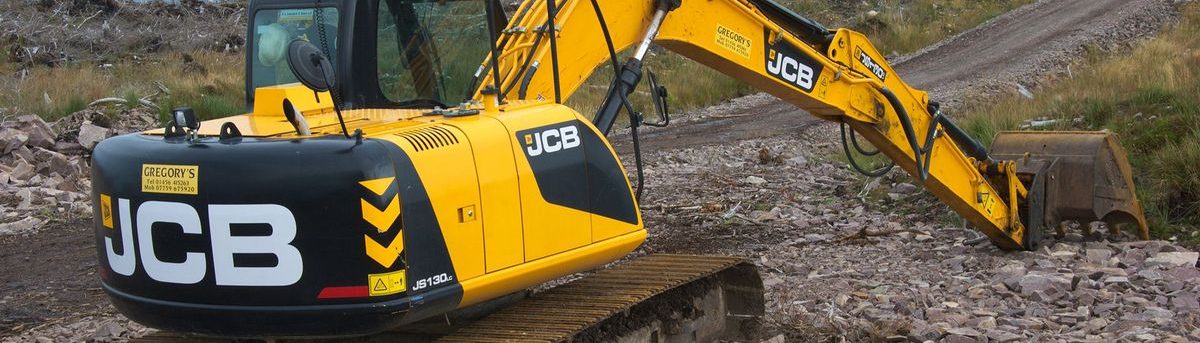
Mini diggers, sometimes referred to as compact excavators, are designed for smaller jobs where space is limited. They typically weigh between 1.5 to 6 tonnes and come with a range of attachments, making them incredibly versatile. The compact size of mini diggers allows them to be manoeuvred in tight spaces, such as backyards or on narrow construction sites, which is a significant advantage over their larger counterparts.
One of the key benefits of mini diggers is their ease of use. Even those with minimal experience in operating heavy machinery can often learn to handle a mini digger effectively and safely. Many models feature intuitive controls and are designed with operator comfort in mind, reducing fatigue during extended use. Additionally, mini diggers generally consume less fuel than traditional excavators, making them a more cost-effective choice for smaller projects.
If you’re looking for something specific, there’s a wide range of mini diggers for sale and even used mini diggers available on the market. Whether you’re on a budget or looking for a high-performance model, there’s likely a mini digger that meets your needs without breaking the bank.
The Strength of Traditional Excavators
On the other hand, traditional excavators are larger, heavier machines that excel at handling substantial earth-moving tasks. With weights that can range from 8 to over 100 tonnes, traditional excavators boast greater power and digging depth compared to mini diggers. This makes them ideal for large-scale projects, such as road construction, large land clearance, and digging trenches.
One of the standout features of traditional excavators is their extended arm reach and digging capabilities. They can easily operate in areas where larger volumes of earth need to be moved, making them indispensable on large construction sites. Additionally, they offer more stability and can handle heavier attachments, which allows for various applications beyond digging, such as lifting heavy materials or equipment.
Although they provide great strength and versatility, traditional excavators may not be suitable for every project. They require more space to operate and may not be practical for residential or small-scale jobs. In terms of cost, they typically come with a higher purchase or rental price compared to mini diggers, so it’s essential to assess your project’s scale and budget before making a commitment.
Looking for a reliable mini digger for your construction project? Our comprehensive selection includes the latest models available for rent or purchase. Discover the ideal solution for your excavation needs at https://www.sjhallplant.com and ensure your tasks are completed efficiently and effectively.
Making the Right Choice for Your Project
When deciding between a mini digger and a traditional excavator, consider the specific requirements of your project. If you’re working on residential landscaping, small foundations, or any tasks that require tight manoeuvrability, a mini digger is likely the better choice. Their ability to access confined spaces while providing efficient digging power is unmatched.
Conversely, if your project involves large-scale earthworks, mining, or construction, a traditional excavator is better equipped to handle those demands. Assess the size of the area, the type of soil, and the amount of material to be moved. Often, the scale of the project will dictate the equipment required.
Ultimately, both mini diggers and traditional excavators have their place in the world of construction. Whether you choose to invest in one of the many available mini diggers for sale or look into used mini diggers for budget-friendly options, or opt for the robustness of a traditional excavator, understanding your project needs is key to making the right decision. Whatever machinery you decide upon, ensure that you’re well-informed to maximise your project’s success.