
Understanding the essential components of plant and machinery is critical for anyone involved in the construction industry. With a plethora of options available, it can sometimes be overwhelming to identify which types of plant equipment suit your specific project requirements. From excavators and bulldozers to cranes and dumpers, the range of machinery and plant is vast, each serving a unique purpose that enhances efficiency, safety, and productivity on site.
This guide aims to provide a comprehensive overview of the various types of plant and equipment, their key uses, and essential maintenance tips to ensure longevity and optimal performance. Whether you’re considering investing in new or used plant machinery, or renting equipment for a short-term project, knowing the fundamentals will empower you to make informed decisions.
When it comes to efficient construction projects, having the right plant and machinery is essential. Our extensive fleet includes everything from excavators to loaders, ensuring you meet your project deadlines with ease. Discover top-quality options tailored to your needs at competitive rates. For more information, visit us at https://www.sjhallplant.com.
For top-quality plant and machinery, look no further than www.sjhallplant.com. Our extensive fleet is perfect for both rental and purchase. We specialize in providing reliable equipment that meets your construction needs, ensuring project efficiency and safety on every job site.
FAQ – Plant and Machinery
What is plant and machinery?
Plant and machinery refers to the heavy equipment used in construction, manufacturing, mining, and other industries. This includes items such as excavators, bulldozers, cranes, loaders, and more.
Why should I rent plant machinery instead of buying it?
Renting plant machinery can be more cost-effective than purchasing equipment outright. It reduces upfront costs, eliminates maintenance responsibilities for older machines, provides access to the latest technology without large investments, and allows flexibility to adapt your fleet according to project needs.
How do I determine the right plant machinery for my project?
Choosing the right plant machinery depends on various factors including the size of your project, type of work required (excavation vs lifting), terrain conditions, job duration, and budget. Consulting with our experts can help you make an informed decision based on your specific requirements.
What brands of plant machinery do you offer?
We offer a wide range of reputable brands in our inventory including Caterpillar, JCB, Komatsu, Volvo Construction Equipment among others. Contact us for more details on our current stock.
Is operator training provided with rented plant machinery?
Yes! We prioritise safety and efficiency. Our rental agreements often include options for operator training or certification programs tailored specifically for using our rented equipment safely on site.
Can I rent plant machinery for long-term projects?
Absolutely! We offer flexible rental agreements suitable for both short-term projects and long-term engagements. Please reach out to discuss terms that best fit your project’s timeline.
Do you deliver rented plant machinery onsite?
Yes! We provide delivery services directly to your job site at competitive rates. Just let us know where you’d like the equipment delivered when making a reservation!
Are there any additional costs associated with renting plant machinery?
While our pricing covers base rental rates as well as basic maintenance during use; additional costs may include delivery fees or optional add-ons like insurance coverage or extended warranties which can vary by contract details.
What if there’s a mechanical failure while renting a machine from you?
In case of mechanical failure during rental usage please contact us immediately so we can arrange repairs or provide a replacement machine rapidly ensuring minimal disruption to your workflow!
If you have any further questions regarding our offerings related to ‘plant & Machinery’ please feel free contact us!
Types of Plant and Machinery
Plant equipment encompasses a wide array of heavy machinery tailored for construction and industrial tasks. Here are the most common types:
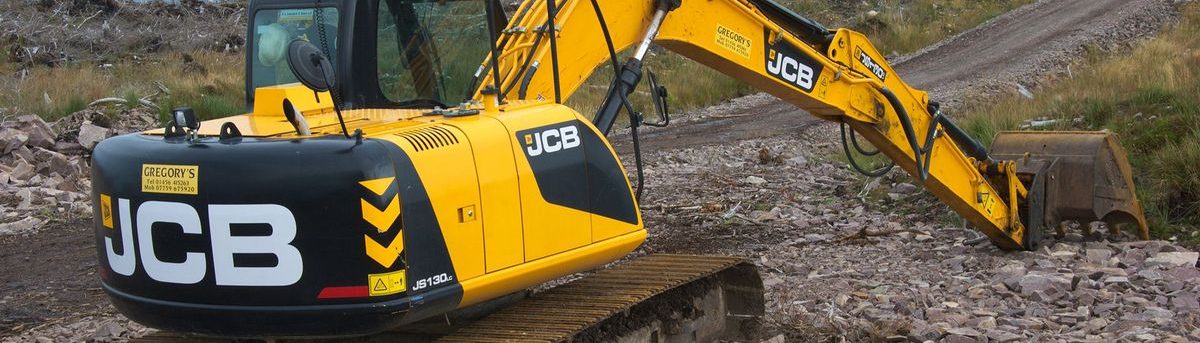
Excavators: Widely used in various construction sites, excavators are essential for digging, lifting, and site preparation. Their versatility is unmatched; with attachments like buckets, hammers, and grapples, excavators can perform a multitude of tasks. Various models, including compact and larger machines, are suited for different site sizes.
Bulldozers: Known for their robust blades, bulldozers are heavy plant machinery used primarily for moving soil, rock, and debris. They are indispensable during site clearance and earthmoving. Bulldozers, equipped with tracks for improved traction, can handle rough terrains, making them ideal for construction sites.
Crane: For lifting heavy materials to significant heights, cranes are crucial in the construction environment. There are several types, including tower cranes and mobile cranes, each serving a unique set of tasks from erecting tall structures to hoisting heavy equipment. Understanding the capabilities and limitations of each type will aid in selecting the right crane for your project.
Dumpers: These machines are designed for transporting material on-site, particularly bulk materials like sand, gravel, and waste. They come in both tracked and wheeled configurations and can navigate various terrains, offering flexibility on the construction site.
Loaders: Loaders are used to scoop, lift, and transport materials around the site. The most common types are wheeled loaders, which are best suited for moving materials over longer distances on flat terrain, and skid-steer loaders, which excel in smaller areas where manoeuvrability is crucial.
Uses of Plant Equipment
Each type of plant machinery has definitive uses that contribute significantly to construction projects. Here’s a breakdown:
-
Earthmoving: Excavators and bulldozers are typically utilised for earthmoving tasks, paving the way for foundations, roads, and landscaping. Their powerful engines allow for rapid digging and moving of substantial volumes of earth.
-
Material Handling: Equipment such as loaders and dumpers are vital for the efficient handling of materials on construction sites. They streamline the movement of aggregates and other materials, ensuring that the workflow remains uninterrupted.
-
Heavy Lifting: Cranes dominate this area by lifting heavy structures and materials to where they are needed. They are pivotal in multi-storey constructions and when handling precast components that require precision.
-
Site Preparation: Before any construction can begin, adequate site preparation is necessary. This often involves a combination of machinery working together, including excavators for digging and bulldozers for levelling surfaces.
Earthmoving: Excavators and bulldozers are typically utilised for earthmoving tasks, paving the way for foundations, roads, and landscaping. Their powerful engines allow for rapid digging and moving of substantial volumes of earth.
Material Handling: Equipment such as loaders and dumpers are vital for the efficient handling of materials on construction sites. They streamline the movement of aggregates and other materials, ensuring that the workflow remains uninterrupted.
Heavy Lifting: Cranes dominate this area by lifting heavy structures and materials to where they are needed. They are pivotal in multi-storey constructions and when handling precast components that require precision.
Site Preparation: Before any construction can begin, adequate site preparation is necessary. This often involves a combination of machinery working together, including excavators for digging and bulldozers for levelling surfaces.
When selecting plant equipment for specific tasks, it’s essential to consider the scale and nature of the work involved. Furthermore, opting for used plant machinery can be a practical choice for many businesses, providing cost savings while still fulfilling operational requirements.
Maintenance of Plant Machinery
Regular maintenance is vital to the longevity and efficiency of your plant and machinery. Here are some key maintenance tips:
Routine Inspections: Conduct thorough inspections before each use. This includes checking fluid levels, brakes, lights, and tyres. Identifying and addressing potential issues early can prevent costly repairs later.
Scheduled Servicing: Adhere to a strict maintenance schedule defined by the manufacturer. Regular servicing can catch wear and tear before it leads to significant problems. Keep a record of services performed and parts replaced to track equipment history.
Cleanliness: Ensure regular cleaning of the machinery to prevent mud and grime buildup. Accumulation of debris can cause overheating and hinder operational efficiency.
Lubrication: Keeping moving parts well-lubricated is essential. Lack of lubrication can lead to premature wear or failure of components, so ensure that grease points are serviced as per the manual’s guidelines.
By implementing these practices, owners and operators of plant machinery can ensure their equipment remains in prime working condition, thereby increasing productivity and reducing downtime.
In summary, familiarity with different types of plant equipment, understanding their specific uses, and diligent maintenance are keys to maximising your investment in plant machinery. Whether you’re looking to purchase new, used, or rent equipment, being informed will not only optimise your workflow but also contribute to the overall success of your projects.