
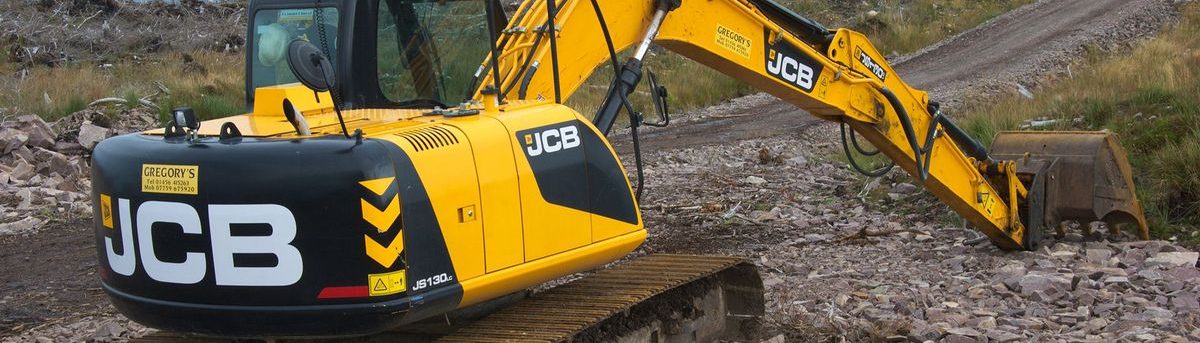
When it comes to construction projects, selecting the right machinery can make a significant difference in efficiency, cost-effectiveness, and the overall success of the job. Among the myriad options available, mini diggers and traditional excavators stand out as two of the most popular choices. Understanding the strengths and limitations of each type can guide you to make the best decision for your specific requirements.
Mini diggers, often referred to as compact excavators, have grown in popularity due to their versatility and ease of use in confined spaces. They are particularly ideal for small to medium-scale projects, while traditional excavators are more suited for larger operations demanding more power and reach. In this article, we’ll explore the key differences between mini diggers and traditional excavators, providing insights that will help you determine which machine is better suited for your needs.
Looking for a reliable mini digger to tackle your construction projects? Our extensive range of mini diggers is perfect for any compact excavation task, offering efficiency and versatility. Whether you need to buy or rent, we’ve got you covered. Explore our selection today at https://www.sjhallplant.com and find the ideal machine for your needs!
Understanding Mini Diggers
Mini diggers are designed for agility and precision in tighter spaces, making them the go-to choice for residential projects, landscape gardening, and smaller construction sites. Ranging in size from 0.8 to 8 tonnes, mini diggers are often equipped with a rotating boom, enabling effortless digging and excavation tasks in various terrains.
Benefits of Mini Diggers
Maneuverability: One of the most significant advantages of mini diggers is their compact size. They can easily navigate narrow lanes, gardens, and congested job sites, reducing the risk of damage to surrounding structures.
Cost-Effective: Whether considering new or used mini diggers for sale, these machines typically come with a lower purchase price and fuel consumption than traditional excavators. Their lightweight design often means fewer transport costs, as they can be towed by standard vehicles.
Versatility: Mini diggers can be fitted with various attachments such as buckets, augers, and breakers, making them useful for multiple applications—from excavation and trenching to demolition and landscaping.
User-Friendly: With simplified controls and a smaller footprint, mini diggers are more accessible for operators with varying levels of experience. This can lead to quicker training times and reduced labour costs.
When to Choose a Mini Digger
If your project involves working in confined areas such as residential properties, gardens, or urban settings, mini diggers are often the best choice. Their capabilities make them suitable for tasks like digging footings for extensions, landscaping, or performing utility work. Projects where precision and minimal disruption are vital will find that mini diggers offer a clear advantage.
Examining Traditional Excavators
Traditional excavators, typically ranging from 10 tonnes and above, are powerful and efficient machines suitable for large-scale projects. With their greater digging depth and operational capabilities, traditional excavators excel in handling heavy-duty tasks.
Benefits of Traditional Excavators
Power and Capacity: Traditional excavators are equipped with robust engines and larger hydraulic systems, granting them superior power and lifting capabilities. This makes them ideal for heavy-duty tasks such as road construction and mass excavations.
Increased Reach and Digging Depth: Unlike mini diggers, traditional excavators can reach deeper and lift higher, making them suitable for jobs that require extensive site grading, deep trenching, and material handling from a distance.
Durability: Built for the rigours of larger sites, traditional excavators can endure harsh conditions over extended periods. This makes them a preferred choice for contractors tackling ongoing projects that demand reliable machinery.
Variety of Configurations: Traditional excavators come in various configurations—such as wheeled or tracked options—and can be customised with an array of attachments to tailor their use to specific projects.
When to Choose a Traditional Excavator
If your project requires significant excavation work over a large area, such as in commercial construction, mining, or large infrastructure projects, traditional excavators are undoubtedly the better choice. Similarly, if you anticipate the need for extended reach and excessive power, investing in a traditional excavator will be essential to meet these demands.
Making the Right Choice
Choosing between a mini digger and a traditional excavator ultimately comes down to your specific project requirements. Consider the scale of the work, site constraints, and the nature of the tasks to ensure that you select the right machinery. For compact jobs, look into options like used mini diggers for sale, as they provide an economical solution without compromising on quality. On the other hand, for extensive, heavy-duty tasks, investing in a traditional excavator will offer the durability and power necessary for the job.
Understanding your project’s needs will ensure that you leverage the right machinery effectively, leading to a smoother operation and successful completion of your construction work.