
In today’s competitive construction environment, selecting the right machinery and plant equipment is crucial to ensuring the success of your project. The correct choice not only affects your operational efficiency but also impacts your budget and timelines. With numerous options available in the market, understanding how to navigate the process can be daunting, especially when considering both new and used plant sales.
This guide aims to provide insight into what factors to consider when selecting plant machinery for your project. We’ll delve into key considerations, offer tips for acquiring used plant and machinery, and discuss the advantages of both buying and renting to help you make an informed decision.
Discover top-quality machinery and plant solutions at https://www.sjhallplant.com, where we offer a wide range of rental and sales options. Enhance your project efficiency with our reliable equipment designed for every construction need.
Understanding Your Project Requirements
Before diving into the specifics of plant & machinery, you should first evaluate the requirements of your project. Consider the nature of the work at hand—are you undertaking earthmoving, demolition, or material handling? Each type of job demands different types of plant machinery, so it’s essential to specify what tasks the machinery needs to perform.
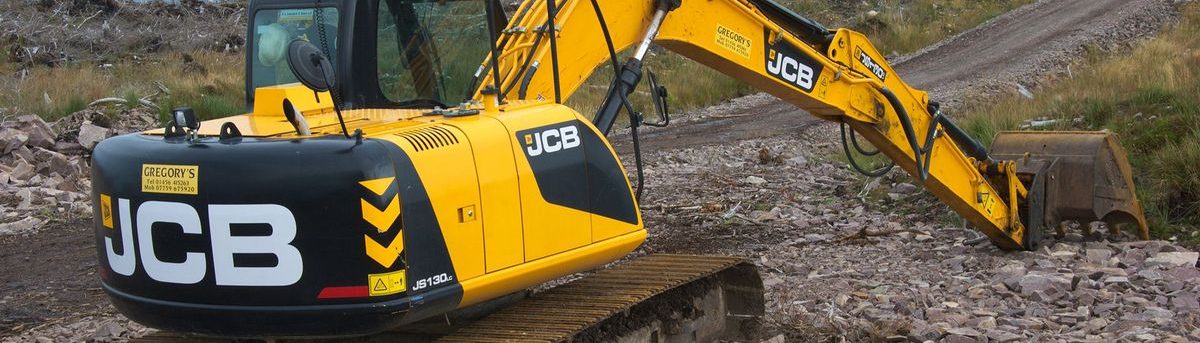
For instance, if you’re involved in heavy excavation, a robust excavator will be necessary. Conversely, if your work focuses on lifting materials, a reliable crane would be more appropriate. Make a list of the jobs to be completed and the specific machinery that will fulfil those tasks effectively.
Assessing Budget Constraints
Budget is often the most significant factor influencing the choice of plant equipment. Knowing your financial limits helps to narrow down the options. It’s also important to consider not just the purchase price but also the total cost of ownership. This includes factors such as maintenance, insurance, and running costs, which can add up significantly over time.
If your project budget is restricted, exploring used plant sales could be a viable option. The UK market offers a wide range of used plant equipment, which can provide substantial cost savings without compromising on quality. When considering used plant machinery sales, it’s essential to evaluate the condition, service history, and seller reputation to ensure you are making a sound investment.
Evaluating Machinery Specifications
Once you’ve identified your project requirements and established a budget, the next step is to review the specifications of the machinery you are considering. Pay attention to elements such as power output, operating capacity, and dimensions, as these can greatly affect performance and productivity.
Additionally, consider the specifications concerning safety features and environmental regulations. Compliance with local laws not only protects your workforce but can also prevent costly fines and project delays. Always check if the equipment meets regulatory standards before making a decision.
The Advantages of Renting vs. Buying
Now that you have a clearer understanding of your project needs and budget, consider whether purchasing or renting the machinery is the better option for you.
Renting plant machinery can be particularly beneficial for short-term projects or when equipment requirements are not fully known at the outset. Rental agreements typically offer flexibility, allowing you to upgrade or change machinery based on evolving project needs without the burden of long-term ownership.
On the other hand, if your project is likely to extend over an extended period or if you anticipate using the machinery frequently, investing in your own plant & machinery may be more cost-effective in the long run. This approach may also open up opportunities for used plant and machinery sales, where you can acquire equipment that has been maintained and is available at a reduced price compared to new models.
Researching Plant Machinery Suppliers
An essential step in the acquisition process is to research and select reliable suppliers. Look for companies with a proven track record in the industry, particularly those that specialise in used plant sales in the UK. Customer reviews and testimonials can provide valuable insight into the quality of service and equipment provided.
When dealing with plant machinery sales, consider engaging with reputable dealers who offer warranties or guarantees on their used plant equipment. This added level of assurance can significantly enhance your peace of mind and provide protection against potential issues post-purchase.
Ensuring After-Sales Support and Maintenance
Lastly, it’s important to assess the after-sales support and maintenance options provided by your chosen supplier. Plant machinery, particularly when used intensively, requires regular servicing to keep it in optimal condition. Establishing a good relationship with a supplier that offers comprehensive support packages can be invaluable.
Consider discussing maintenance schedules, parts availability, and the possibility of training for your operators. Ensuring that you have access to these resources will help keep your project running smoothly and safely.
The decision-making process when it comes to choosing the right plant machinery is neither instantaneous nor simplistic. However, by thoroughly assessing your project’s specific needs, budget, and supplier support, you can make choices that align with your goals, ensuring you have the right equipment to get the job done efficiently and effectively.